Open Mon - Fri   8:30am - 5:00pm
ABOUT   CONTACT    
FREE Shipping

Preparing for AC Evaporator Replacement

Replacing your AC evaporator is a significant maintenance step, essential for ensuring consistent cooling in your vehicle. Preparation helps streamline this complex task.

1. Confirming the Correct Evaporator: Ensure you order the exact evaporator suited to your vehicle model. Cross-reference part numbers with your car manual or consult a reputable supplier such as Cool Car Air Conditioning.

2. Workspace Preparation: The evaporator replacement often requires dashboard removal, a detailed and careful procedure. A clean and organised workspace significantly simplifies the process.

3. Gathering Necessary Tools: Have essential tools ready, including screwdrivers, wrenches, refrigerant recovery equipment, and personal protective gear.

4. Post-Replacement Procedures: After replacement, it’s crucial to evacuate and recharge the AC system accurately. Properly following these steps guarantees optimal performance and longevity of your new evaporator.

Installation Tips for Your New Sanden AC Compressor

Proper installation of your Sanden AC compressor ensures efficient cooling and prolonged service life.

1. Pre-installation Checks: Confirm part compatibility with your car model, verify required tools (wrenches, torque wrench, vacuum pump, and refrigerant gauges), and check the compressor for transit damage.

2. System Cleaning and Flushing: Thoroughly flush your AC system to remove debris and contaminants that might affect compressor performance.

3. Compressor Installation: Securely mount the compressor following correct torque settings. Ensure proper lubrication with recommended compressor oil.

4. Testing and Charging: After installation, leak test the system, evacuate air and moisture, and recharge with the correct refrigerant amount. Follow Sanden’s specifications for optimal performance.

How to Identify and Troubleshoot Common AC Evaporator Issues

The AC evaporator is critical for removing heat from your vehicle’s cabin. Recognising and troubleshooting common issues quickly is key to comfort and safety.

1. Reduced Cooling Efficiency: Indicates possible refrigerant loss or blockage. Check refrigerant levels and visually inspect for leaks.

2. Unusual Odours: Often due to mould or bacterial growth. Regular evaporator cleaning and antibacterial treatments are essential.

3. Water Leakage: Excess condensation can indicate drainage blockages. Regularly inspect drainage systems for proper function.

4. Ice or Frost Formation: May suggest a malfunctioning evaporator or TX valve issues. Immediate attention helps prevent further system damage.

How the TX Valve Regulates Refrigerant Flow in Your Car AC

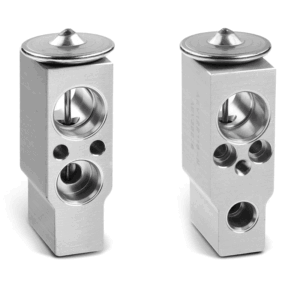
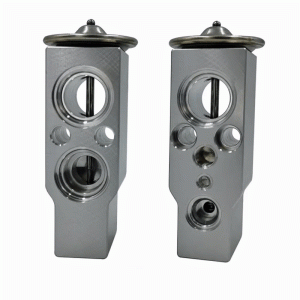
A properly functioning car air conditioning (AC) system is crucial for comfort, especially in hot climates. One of the most vital components ensuring efficient cooling is the TX valve (Thermostatic Expansion Valve). This small yet powerful device plays a significant role in regulating the refrigerant flow, ensuring optimal cooling performance. But how does it work, and why is it essential? the TX valve’s role in car AC systems, common issues, and maintenance tips to keep your AC running smoothly.

What is a TX Valve, and Why is it Important?

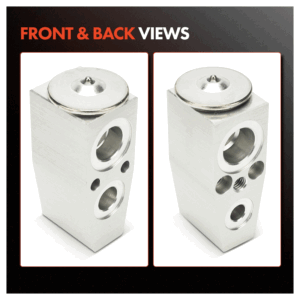
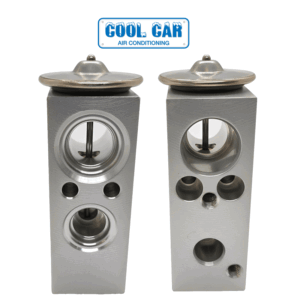
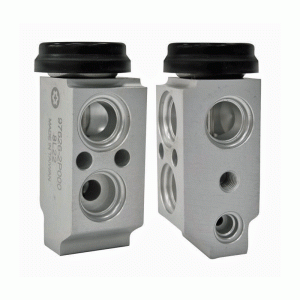
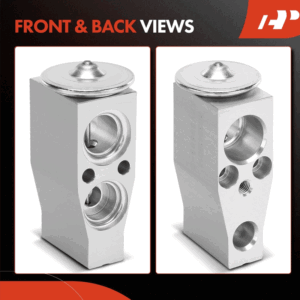
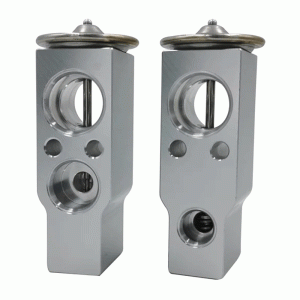
The TX valve is a crucial component of your car’s air conditioning system. Its primary function is to control the amount of refrigerant that enters the evaporator, ensuring the system operates at peak efficiency.

Key Functions of a TX Valve:

  • Regulates refrigerant flow based on cooling demand.
  • Prevents compressor overload by maintaining proper pressure levels.
  • Enhances energy efficiency, reducing fuel consumption.
  • Ensures optimal cooling performance under varying conditions.

Without a properly functioning TX valve, the AC system could either overcool or fail to cool entirely, leading to discomfort and potential damage to other AC components.

How Does a TX Valve Regulate Refrigerant Flow?

1. Sensing Temperature Changes

The TX valve has a sensing bulb filled with refrigerant attached to the evaporator outlet. It monitors temperature changes and adjusts the valve opening accordingly.

2. Adjusting Refrigerant Flow

When the evaporator temperature rises, the TX valve opens wider, allowing more refrigerant to flow. Conversely, when the temperature drops, the valve restricts refrigerant flow, ensuring efficient operation.

3. Maintaining Superheat

Superheat is the temperature of refrigerant vapour above its boiling point. The TX valve ensures optimal superheat levels, preventing excessive liquid refrigerant from entering the compressor and causing damage.

Common TX Valve Problems and How to Fix Them

Like any mechanical component, the TX valve can experience issues that impact the performance of your car’s AC system.

1. TX Valve Blockage

Symptoms:

  • Weak or no cooling.
  • Frost on the evaporator.
  • High-pressure readings in the system.

Solution:

  • Flush the AC system to remove contaminants.
  • Replace the TX valve if the blockage persists.

2. Overfeeding or Underfeeding Refrigerant

Symptoms:

  • AC system cycles too frequently.
  • Poor cooling performance.
  • High or low refrigerant pressure.

Solution:

  • Adjust the TX valve’s superheat settings.
  • Ensure the correct refrigerant charge is present.

3. Stuck TX Valve

Symptoms:

  • AC blows warm air intermittently.
  • High compressor load.
  • Unusual noises from the expansion valve area.

Solution:

  • Inspect and clean the TX valve.
  • Replace the valve if necessary.

How to Maintain a TX Valve for Optimal Performance

Regular maintenance can extend the life of your TX valve and prevent costly repairs. Here are some key tips:

  1. Regular AC System Inspections – Check for leaks, blockages, or pressure issues.
  2. Keep Refrigerant Levels Properly Charged – Too much or too little refrigerant can strain the TX valve.
  3. Flush the System When Replacing Components – Prevents contamination from affecting the TX valve.
  4. Ensure Proper Installation – A misaligned TX valve can lead to inconsistent cooling performance.
  5. Use High-Quality Refrigerant – An incorrect refrigerant can clog the valve and reduce efficiency.

FAQs About TX Valves in Car AC Systems

1. Can I Adjust My Car’s TX Valve?

Yes, but it requires specialised tools and knowledge. Improper adjustments can lead to poor cooling or system damage.

2. How Often Should a TX Valve be Replaced?

TX valves typically last 5-10 years but should be checked during major AC service intervals.

3. What Happens if a TX Valve Fails?

Your car’s AC may stop cooling entirely, and other components, like the compressor, may suffer damage due to improper refrigerant flow.

4. Does a TX Valve Work in All Types of AC Systems?

No, some vehicles use orifice tubes instead of TX valves. It depends on the AC system design.

TX Valve Replacement and its Importance

A faulty TX valve aircon can cause serious issues in the cooling system. If your AC TX valve is malfunctioning, TX valve replacement is necessary to restore optimal performance. The aircon TX valve ensures the correct refrigerant flow, making it essential for air conditioner TX valve maintenance. If your TX valve car aircon is not cooling efficiently, consult a TX valve air conditioner specialist for repairs.

The TX valve is a critical component of your car’s air conditioning system, regulating refrigerant flow to ensure optimal cooling performance. By understanding how it works, recognising common issues, and performing regular maintenance, you can keep your AC system running efficiently for years. If your AC is not performing as expected, a faulty TX valve might be the culprit—so don’t ignore the warning signs!

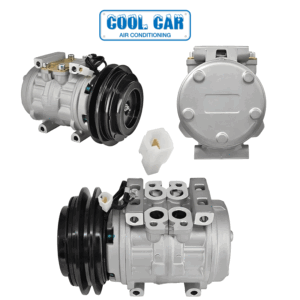
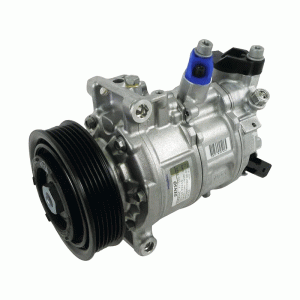
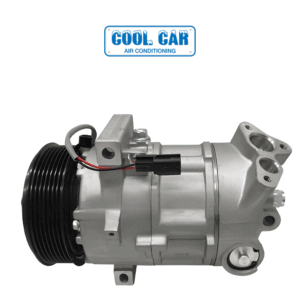
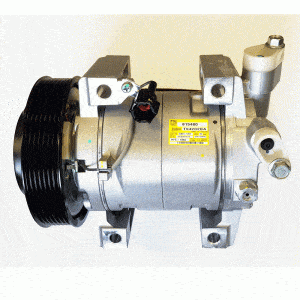
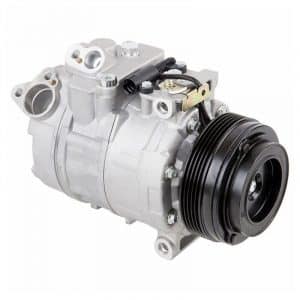
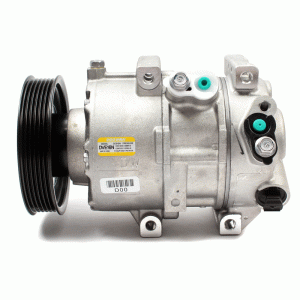
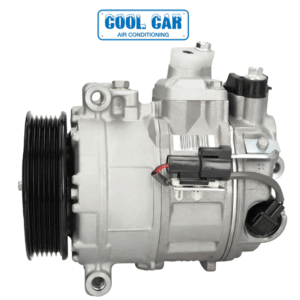
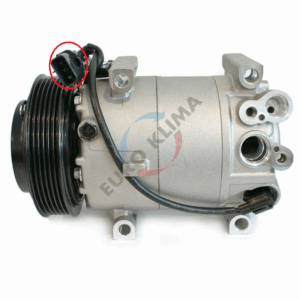
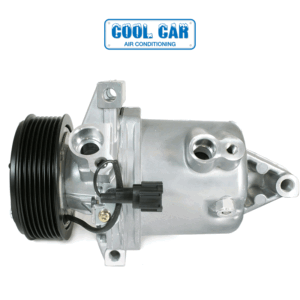
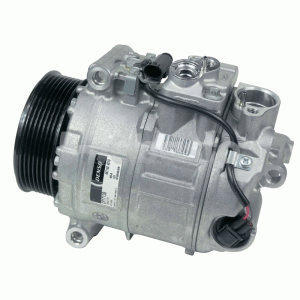
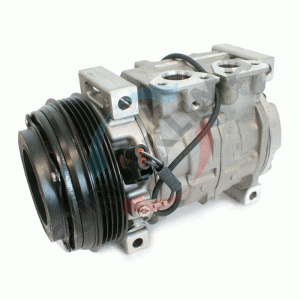
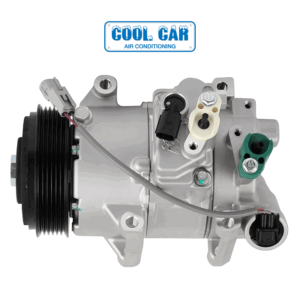
Things to know about an A/C Compressor

Things to know about an A/C Compressor

Auto Air Conditioning System

The air conditioning system in your car performs the vital role of cooling the air temperature in the cabin of your vehicle. Your A/C System should be checked and serviced every two years. Regular servicing of your A/C system will ensure optimal performance and could potentially save repair costs further down the track.

A basic rundown of how the A/C Compressor works

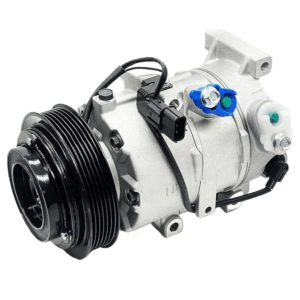
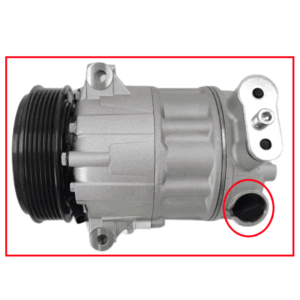
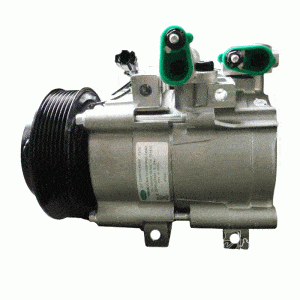
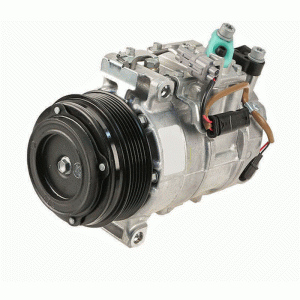
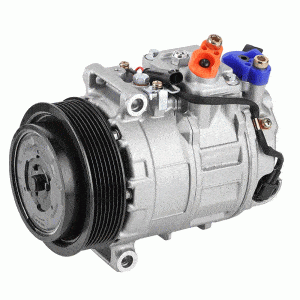
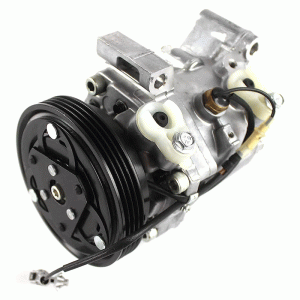
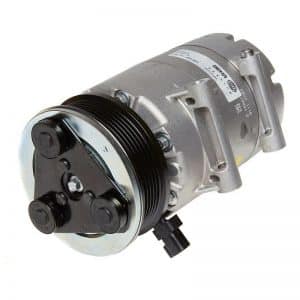
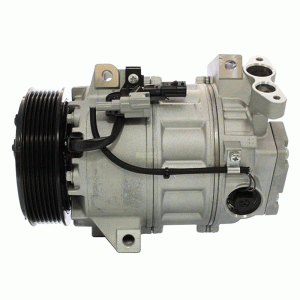
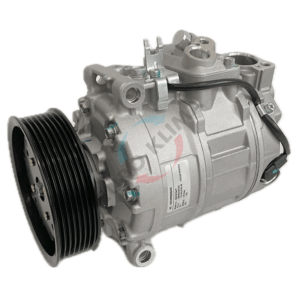
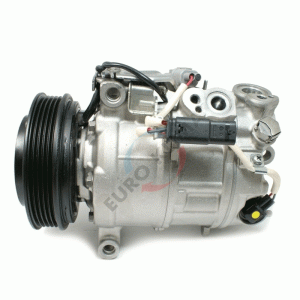
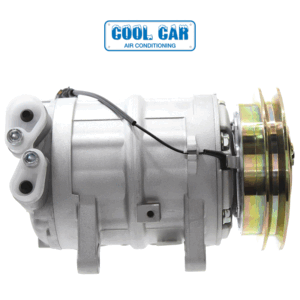
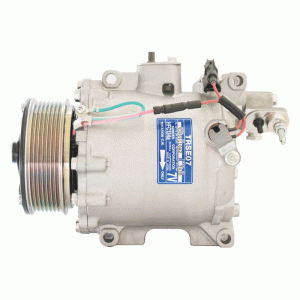
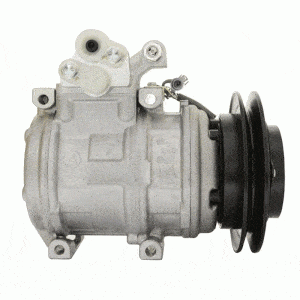
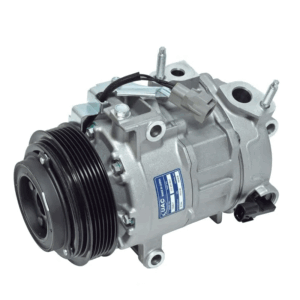
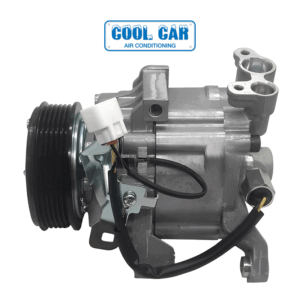
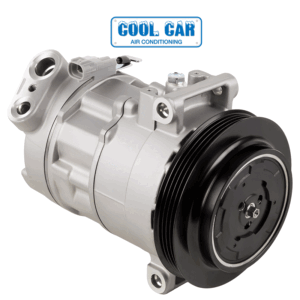
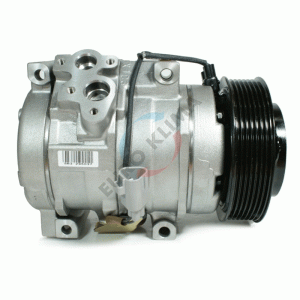
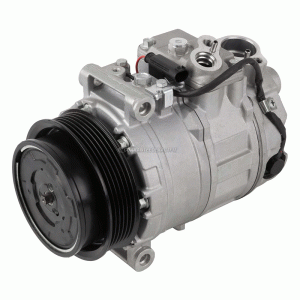
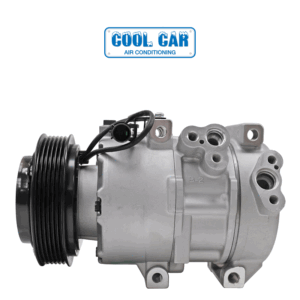
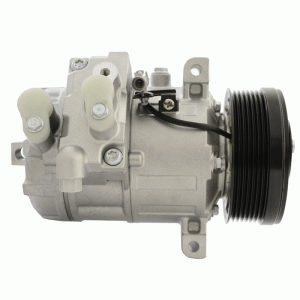
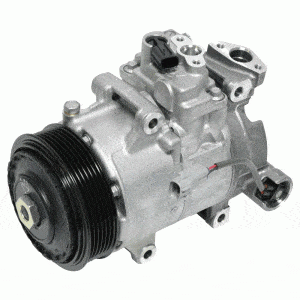
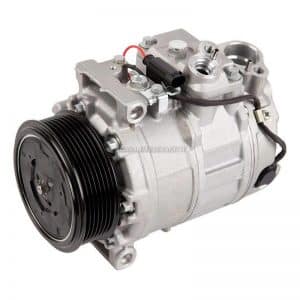
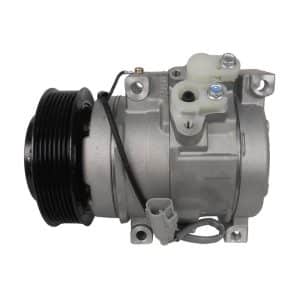
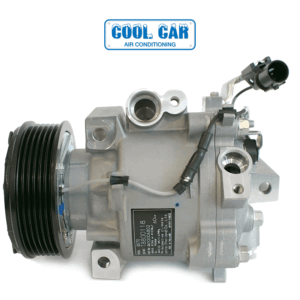
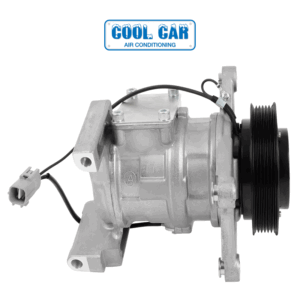
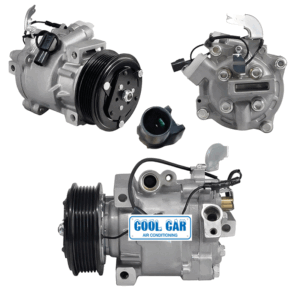
Your car’s air conditioning compressor is driven by the engine using a belt. Its function is to transport the refrigerant into the system. The refrigerant is subsequently sucked in as a gas at low pressure and then compressed to raise the temperature. From there, it is transferred to the condenser in the form of air with increased heat and force. The liquid becomes very cold as it leaves the condenser and returns to its natural gaseous state.

Effects of a Malfunctioning compressor

Reduced efficiency in your cars A/C System is often caused by a leak in the system, particularly in the A/C hoses. This is one of the most common reasons for an underperforming system. Low levels of refrigerant are responsible for reduced efficiency of the air conditioning system. Poor airflow due to an underperforming fan, blockage or debris in the A/C Condenser can also reduce the efficiency of the cooling in your A/C System. It is important to check the condenser for obstructions or damage. Regular maintenance can help reduce the need for repairs in the future.

Other common causes of a malfunctioning A/C compressor include a faulty magnetic Clutch. This is an extremely common fault which will stop an A/C Compressor from working. A defective Compressor control valve is also another common fault in many A/C Compressors. This can usually be determined by gauge readings.

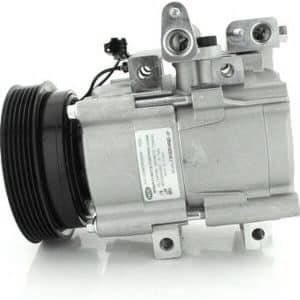
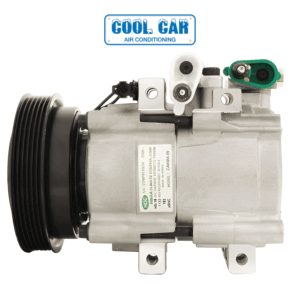
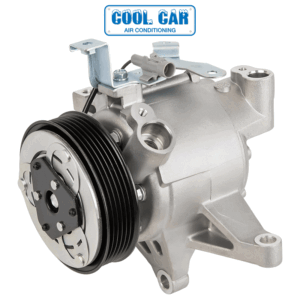
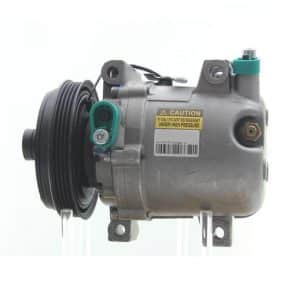
AC compressor

Continue reading

How Does An Air Conditioner Work In A Car

Most people would not give a second thought as to how a car air-conditioning system works. If asked a lot of people would likely respond, “I have no idea how they work. However, if you’re curious about how car A/C system works, please continue reading below for a deeper look.

How Does the AC system in a Motor Vehicle Work?

The air-conditioning system in a vehicle works by manipulating refrigerant between a liquid and a gaseous state. As the refrigerant changes states, it absorbs heat and humidity from the vehicles cabin and allows the system to give off cool air. To change the refrigerant between a liquid and a gaseous state, the air-conditioning system works controlling pressures and temperature.

AC System Refrigerants.

In years past automotive air-conditioning systems used R12 as the refrigerant. R12 was phased out in 1994 in line with the Montreal Protocol. R12 was a very effective CFC-chlorofluorocarbon refrigerant. During the late 1980s, scientists discovered that widespread usage of R-12 was damaging the Earth’s ozone layer. It is for this reason R12 refrigerant was phased out is no longer used.

Manufacturers transitioned from R12 to R134a in the mid-1990s. R134a is an HFC-based hydrofluorocarbon refrigerant that does not have the ozone destroying properties of R12 refrigerant. The newest refrigerant is R1234yf, which produces even fewer greenhouse gases than its predecessor. Europe requires the use of R1234yf refrigerant on all newly manufactured vehicles and is likely be the new global standard within a few years.

Car AC System Parts.

Listed below are the main components and their roles:

AC Compressor.

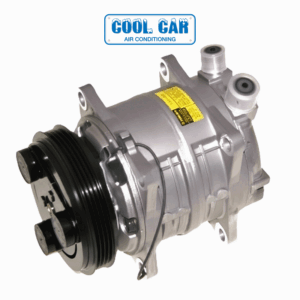
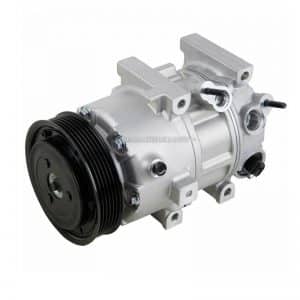
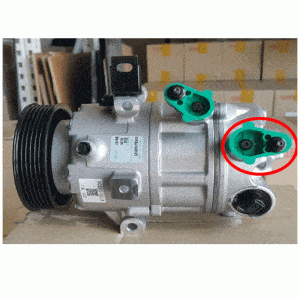
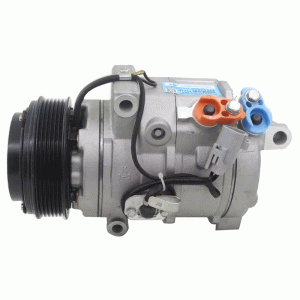
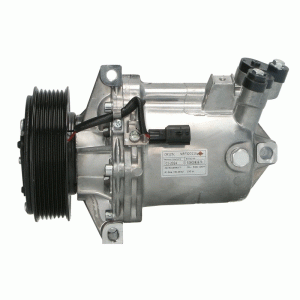
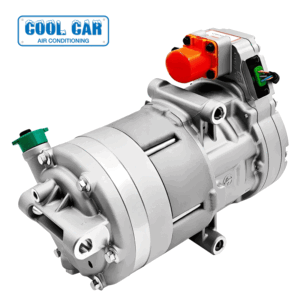
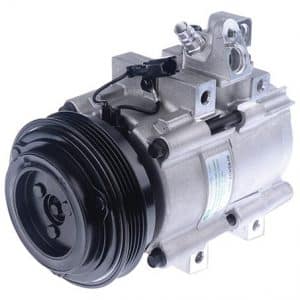
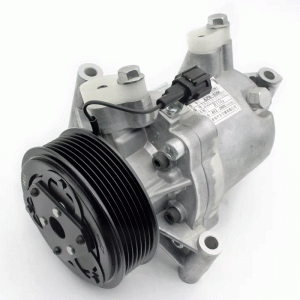
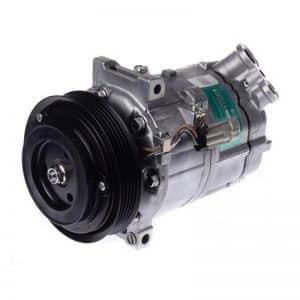
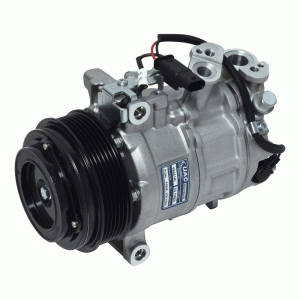
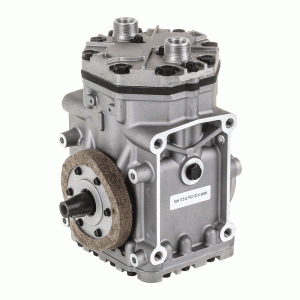
This is the “pump” that separates the low-pressure side from the high-pressure side of the AC System. The ac compressor takes in low-pressure gas and compresses it into high temperature/high-pressure liquid.

AC Condenser.

Reduces temperature of the refrigerant while maintaining high pressure. The refrigerant changes from gas to a liquid as it cools. Similar to the engine’s radiator, the A/C condenser uses forced air from the Condenser Fan to dissipate heat.

Receiver/Dryer.

The receiver/Drier Removes any moisture and contaminates from the refrigerant using a desiccant.

The receiver/Drier is mounted on high-pressure side of A/C system.

Expansion valve or Orifice Tube.

The Expansion valve or Orifice Tube lowers refrigerant pressure, which greatly reduces refrigerant temperature. Refrigerant is still in liquid form after exiting Expansion valve or Orifice Tube.

Evaporator.

Refrigerant changes back to gaseous state in the evaporator, causing a cooling effect.
Cabin air is cooled and dried as it blows across the evaporator. The evaporator is mounted inside the vehicles cabin behind the dashboard.

Characteristics of refrigerant.

Low temperature/low-pressure refrigerant enters the compressor.

High temperature/high-pressure refrigerant leaves the compressor.

Refrigerant cools and converts to liquid in the condenser under high pressure.

Receiver/Dryer removes moisture and filters impurities from the refrigerant.

The Expansion valve reduces refrigerant pressure.

Refrigerant converts back to gaseous state in the evaporator absorbing heat when air blows across evaporator.

How Often Should You Regas Your Car’s Air Conditioning System?

This is a question we get asked all the time. This question can also be a little tricky to give a definitive answer to. In College, technicians are always taught a car’s A/C System should be regassed every two years to maintain optimal performance.

The truth is every car is different, some cars can last a good five years or even longer before needing a regas. Other cars do need regassing every few years. It is extremely rare however for a car to have maintained its full refrigerant charge even after just a few short years, which is why every two years is the recommended interval. It is generally accepted that a car’s A/C System can lose up to an average of 5-10 % of refrigerant every year. The rubber hoses on car A/C systems are porous, it has been proven through laboratory testing refrigerant does work its way through the pores of the rubber A/C hoses over time.

So even if you technically don’t have a leak, you can still lose gas over time. It is best to put your car through a regular A/C service to keep your car’s compressor in optimal shape.

A few simple handy hints to tell if your car is likely low on refrigerant.

  • The air being blown out of your car vents doesn’t feel as cold as it should be. This is a very common sign you’re needing your car air conditioner regassed.
  • The air blowing through one centre vent is noticeably warmer than the air temperature blowing through the other centre vent 
  • Your car’s air conditioning takes a long time to bring the temperature down to a comfortable level. This will be a lot more noticeable on warmer days when the A/C System will be working harder. 

I hope these tips help you understand when the right time is to consider an AC re-gas. For any questions or advice or to book in with us – please call us!
Tips for Maintaining the Efficiency and Performance of Your Car’s AC System

Maintaining the efficiency and performance of your car’s AC system is important for staying comfortable on the road and extending the life of your car’s system. Here are some tips to help you get the most out of your car’s AC:

  1. Use the right refrigerant: Make sure you are using the right type of refrigerant for your car. Using the wrong refrigerant can damage your AC system and lead to costly repairs.
  2. Keep the system clean: A dirty or clogged air filter can reduce the efficiency of your AC system. Be sure to check and replace the air filter regularly.
  3. Maintain the right tire pressure: Properly inflated tires can improve the fuel efficiency of your car, which can also help your AC system run more efficiently.
  4. Use the AC sparingly: Using the AC excessively can put a strain on the system and reduce its efficiency. Try to use natural ventilation when possible and only turn on the AC when necessary.
  5. Have the system serviced regularly: Regular maintenance and servicing can help keep your AC system running smoothly and efficiently. This can include checking and replacing the drive belt, cleaning the evaporator and condenser coils, and checking the refrigerant level.
  6. Use a sunshade: Keeping the sun out of your car can help reduce the load on your AC system, making it more efficient. A sunshade can help block the sun’s rays and keep your car cooler.
  7. Avoid placing heavy items on top of the AC vents: Placing heavy items on top of the AC vents can block the flow of air and reduce the effectiveness of the system.

By following these tips, you can help ensure that your car’s air conditioner system is running efficiently and effectively. Regular maintenance and careful use of the system can also help extend its lifespan and save you money on repairs in the long run. Cool Car Air Conditioning in Australia is a fully licensed AC specialist with over 20 years of experience in car AC repair and maintenance. To keep your car in the best condition you can book their service online at www.coolcarairconditioning.com.au or contact them at 0403883061. 

The Benefits of Regular Car AC Service

Your automobile may quickly become an oven under the intense sun. A comfortable and safe driving experience depends on a functional automotive air conditioning (AC) system. However, for optimal performance, the car AC system requires routine maintenance, much like any other component of your automobile.

In Australia, the bright sun can rapidly turn the car into an oven. A car air conditioning (AC) system that is operating properly is essential for both safe and comfortable driving. However, just like every other part of the car, the car’s AC system needs regular maintenance to operate at its best. 

Benefits of Regular Car AC Service:

  • Improved Performance and Efficiency: A well-maintained car air conditioning system uses less gasoline to cool automobiles more quickly and effectively. This results in substantial fuel savings, particularly during prolonged hot weather.
  • Enhanced Comfort: Fresher, cleaner air is provided by a well-maintained car air conditioning system, which also eliminates offensive odours. Those who suffer from allergies and respiratory issues may find this very helpful.
  • Reduced Risk of Breakdowns: Frequent maintenance assists in spotting possible issues early on, preventing them from developing into more costly auto car AC repairs later on. Consider it a form of preventive care for comfort.
  • Extended System Lifespan: The car’s air conditioning system will last longer with regular maintenance

Enhanced Comfort and Safety:

Regardless of the outside temperature, regular auto car AC maintenance guarantees that your system is running at its best and offers a comfortable driving experience. Safer driving conditions are promoted by a car AC system that is in good working order and helps avoid driver fatigue.

Improved air quality:

Dust, pollen, and other pollutants that accumulate over time in car air conditioning systems can have an impact on the air quality inside cars. Cleaning and changing air filters is part of routine maintenance, which guarantees cleaner, fresher air for you and your passengers—especially important for those who suffer from allergies or respiratory conditions.

Extended Lifespan of AC Components:

Regular maintenance extends the life of the car’s air conditioning components by assisting in the early detection and resolution of minor faults.

Optimised Fuel Efficiency:

A car air conditioning system runs more effectively when it is maintained, which eases engine strain and increases overall fuel economy. save money at the gas pump by making sure the AC compressor and other parts are in good working order.

Expert Diagnosis and Repair:

Professional diagnostic and repair services customised to a vehicle’s requirements are provided by car AC repair professionals in Brisbane and other Australian locations. When it comes to electrical problems, compressor breakdowns, and refrigerant leaks, hiring qualified specialists guarantees precise diagnosis and workable fixes.

Convenience and accessibility:

It’s never been more convenient to get a car’s AC system repaired, with a wide range of mobile repair services and other car AC repair services accessible throughout Australia. To fulfil your objectives, you may quickly locate reliable professionals in Brisbane or nearby locations.

Environmental Considerations:

Frequent car AC maintenance lowers the amount of hazardous compounds and refrigerants released into the atmosphere, which helps to preserve the environment. Furthermore, regular maintenance minimises the need for new AC systems.

Impact on Car AC Repairs:

The necessity for nearby car AC repairs can be considerably decreased with routine auto AC maintenance. Proactively resolving small issues before they escalate will help save money on expensive repairs and replacements. Furthermore, a well-maintained system is less likely to have unplanned malfunctions that leave it stuck on a sweltering day.

Common issues that might come up are as follows:

  • Refrigerant leaks: Leaks can harm the car’s air conditioning system and lower the cooling performance of the car.
  • Compressor failure:  AC compressors that are worn out or overheated cause an AC that won’t work.
  • Electrical problems: AC functioning can be interfered with by bad wiring or control modules.

Maintaining comfort, safety, and efficiency on Australia’s roadways requires routine car AC maintenance. Regular maintenance may prolong the life of a car’s air conditioning system and make driving more comfortable and healthy. Regular servicing guarantees cool comfort on every trip, whether the in need of car AC repairs in Brisbane or are looking for preventative maintenance services elsewhere in Australia.

Contact Cool Car Air Conditioning for a quote and friendly advice.

146
    146
    Your Cart
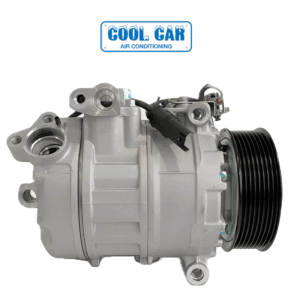
    A/C Compressor BMW 5 Series F07 F10 F11 523i 528i 530i 535i 730i 2009-2013
    1+ shoppers have bought this
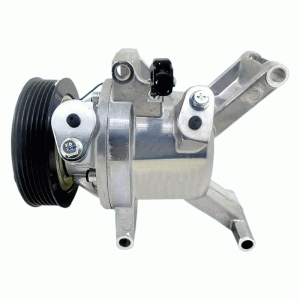
    A/C Compressor Mazda Demio DE 2011-2014
    $670.00
    Genuine A/C Compressor Kia Rio UB 1.4L 1.6L Petrol 2011-2016
    5+ shoppers have bought this
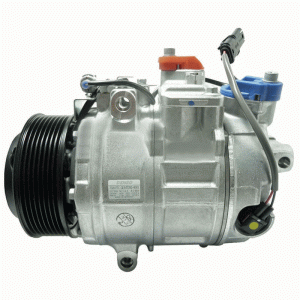
    A/C Compressor BMW 5 Series E39 535i 540i M5 1995-2004
    2+ shoppers have bought this
    A/C Compressor Maserati Quattroporte 3.0L 3.8L 2014-2024
    1+ shoppers have bought this
    Genuine A/C Compressor Kia Sorento BL 2.5L Diesel 2007-2009
    2+ shoppers have bought this
    A/C Compressor Nissan X-Trail T31 2.0L Turbo Diesel 2007-2014
    3+ shoppers have bought this
    A/C Compressor Mercedes Sprinter W906 2006-2018
    2+ shoppers have bought this
    A/C Compressor Suzuki Jimny FJ 1.3L Petrol SN413 2000-2019
    7+ shoppers have bought this
    Genuine A/C Compressor Ford Mondeo MA MB 1.8L 2.0L 2.3L 2007-2010
    1+ shoppers have bought this
    Genuine A/C Compressor Kia Sorento UM 3.3L Petrol 2015-2017
    1+ shoppers have bought this
    A/C Compressor Nissan Patrol Y61 RD28T RD28TI 1997-2000
    8+ shoppers have bought this
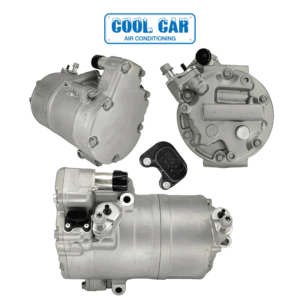
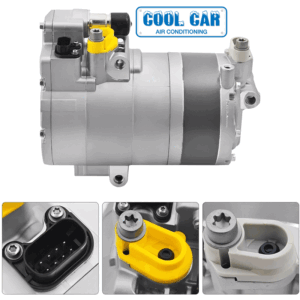
    Electric A/C Compressor BMW i8 1.5L 2014-2019
    $1,800.00
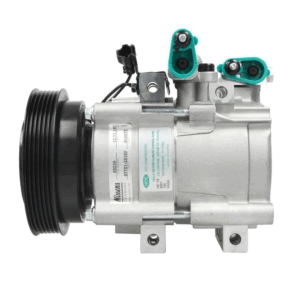
    Genuine A/C Compressor Hyundai Tucson TLE 2.0L Petrol 2015-2017
    1+ shoppers have bought this
    A/C Compressor BMW 525i E60 530i E60 Z4 E89 2003-2016
    1+ shoppers have bought this
    A/C Compressor Toyota Landcruiser (Sahara) UZJ200 4.7L Petrol 2007-2011
    3+ shoppers have bought this
    Thermal Expansion TX Valve Hyundai Accent RB 2010-2019
    3+ shoppers have bought this
    A/C Compressor Renault Megane X32 X95 2.0L Petrol 2010-2016
    7+ shoppers have bought this
    A/C Compressor Renault Megane RS250 RS265 X95 2010-2012
    15+ shoppers have bought this
    Genuine A/C Compressor HSV Senator VE 6.2L LS3 2008-2009
    1+ shoppers have bought this
    A/C Compressor Subaru XV GT7 2.0L Petrol 2017-2022
    12+ shoppers have bought this
    A/C Compressor Mazda BT-50 B3000 3.0L Diesel 2006-2011
    9+ shoppers have bought this
    A/C Compressor Kia Sportage KM 2.0L Petrol 2007-2010
    1+ shoppers have bought this
    A/C Compressor Renault Koleos H45 2.5L Petrol 2008-2021
    28+ shoppers have bought this
    Genuine A/C Compressor Nissan Pathfinder R51 3.0L Turbo Diesel 2010-2013
    1+ shoppers have bought this
    Genuine A/C Compressor Toyota Hilux VZN167R VZN172R 3.4L Petrol 2002-2005
    1+ shoppers have bought this
    A/C Compressor Mazda Tribute 2.3L Petrol 2004-2006
    3+ shoppers have bought this
    Genuine A/C Compressor Honda Civic FD 2.0L Petrol 2006-2012
    1+ shoppers have bought this
    Genuine A/C Compressor Toyota LandCruiser Prado 2000-2002
    1+ shoppers have bought this
    A/C Compressor Ram 1500 5.7L V8 2019-2024
    1+ shoppers have bought this
    $1,390.00
    A/C Compressor Subaru Forester SJ 2.0L 2.5L Petrol 2012-2018
    26+ shoppers have bought this
    A/C Compressor Toyota Hilux GGN15R GGN25R 4.0L V6 Petrol 2005-2015
    2+ shoppers have bought this
    A/C Compressor Toyota Corolla AE101R AE102R AE112R 1994-2001
    3+ shoppers have bought this
    Genuine A/C Compressor Kia Pregio CT-CT2 2.7L 2002-2006
    2+ shoppers have bought this
    Thermal Expansion TX Valve Hyundai Getz TB 1.3L 1.6L 2003-2009
    1+ shoppers have bought this
    Genuine A/C Compressor Suzuki Grand Vitara JT 1.9L 2005-2015
    1+ shoppers have bought this
    A/C Compressor Subaru Liberty 3.6L Petrol 2009-2019
    1+ shoppers have bought this
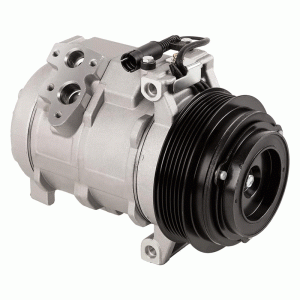
    A/C Compressor Mercedes GL320 ML280 ML320 R280 R320 R350 2005-2013
    3+ shoppers have bought this
    Thermal Expansion TX Valve Holden Barina TK 1.6L 2005-2012
    1+ shoppers have bought this
    A/C Compressor Nissan Patrol GU Y61 3.0L Diesel 2000-2016
    9+ shoppers have bought this
    A/C Compressor Subaru Impreza GP GJ 2.0L Petrol 2012-2016
    4+ shoppers have bought this
    A/C Compressor Subaru Impreza 2.0L Petrol 2004-2008
    4+ shoppers have bought this
    Genuine Valeo A/C Compressor Mitsubishi Mirage LA 1.2L 2013-2020
    4+ shoppers have bought this
    A/C Compressor Lexus IS300 JCE10R 3.0L V6 2001-2005
    3+ shoppers have bought this
    A/C Compressor Nissan Pathfinder R52 3.5L VQ35 Petrol 2013-2020
    8+ shoppers have bought this
    A/C Compressor Toyota 86 2012-2021
    2+ shoppers have bought this
    $540.00
    A/C Compressor Toyota LandCruiser FZJ105R 4.5L 1998-2002
    3+ shoppers have bought this
    A/C Compressor Mercedes Viano 2005-2015
    $795.00
    A/C Compressor Mitsubishi Triton ML 3.5L Petrol 2006-2009
    4+ shoppers have bought this
    A/C Compressor Nissan Pathfinder R50 3.3L Petrol VG33E 1995-2005
    2+ shoppers have bought this
    A/C Compressor Kia Sportage QL 2.0L Petrol 2015-2023
    2+ shoppers have bought this
    Genuine A/C Compressor Toyota LandCruiser FZJ105R 4.5L Petrol 1998-2002
    6+ shoppers have bought this
    Genuine A/C compressor Kia Cerato YD 1.6L 2013-2017
    1+ shoppers have bought this
    A/C Compressor Suzuki Swift 1.0L 2017-2019
    2+ shoppers have bought this
      Calculate Shipping